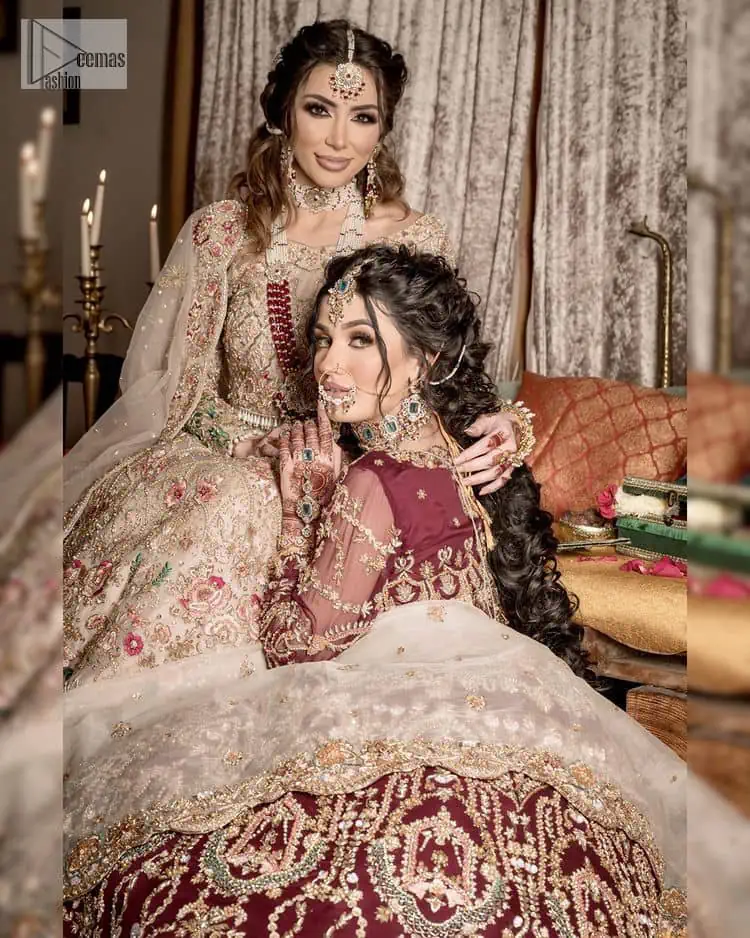
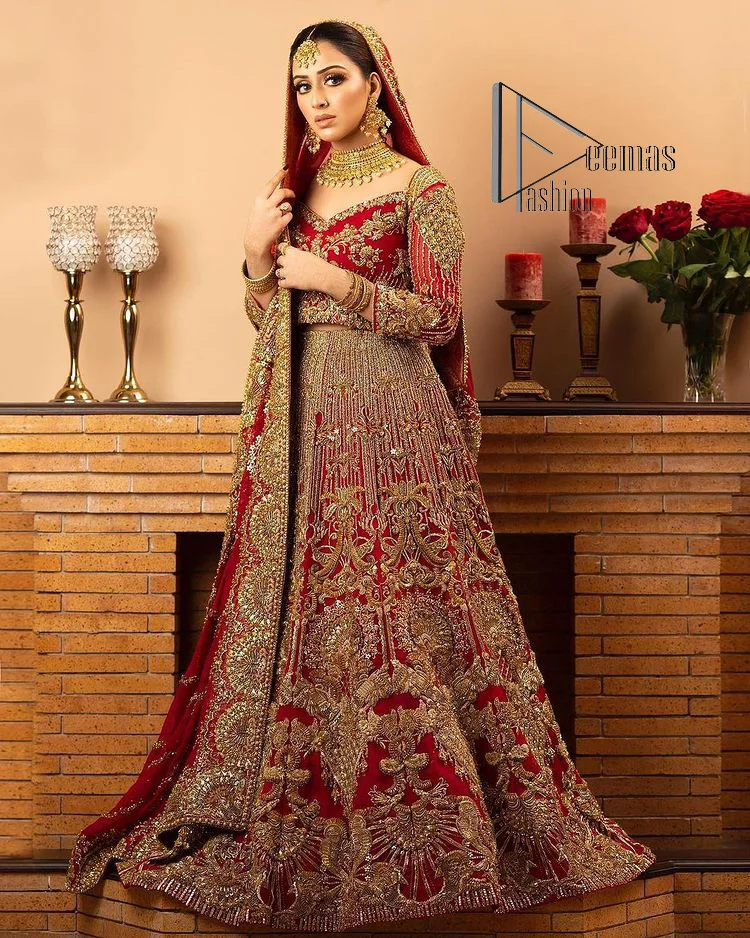
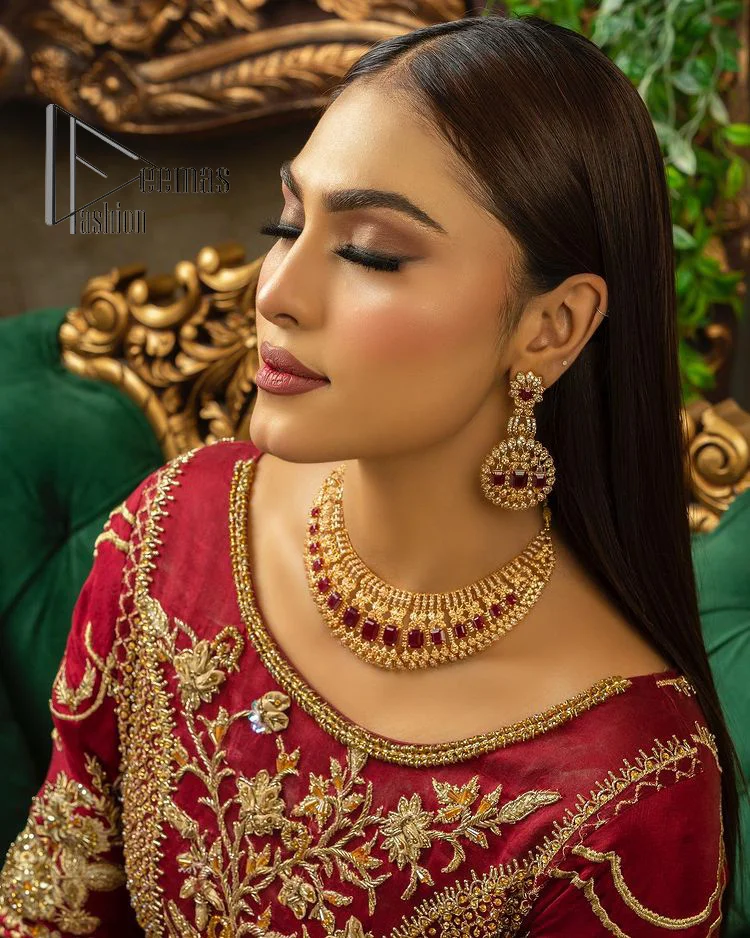
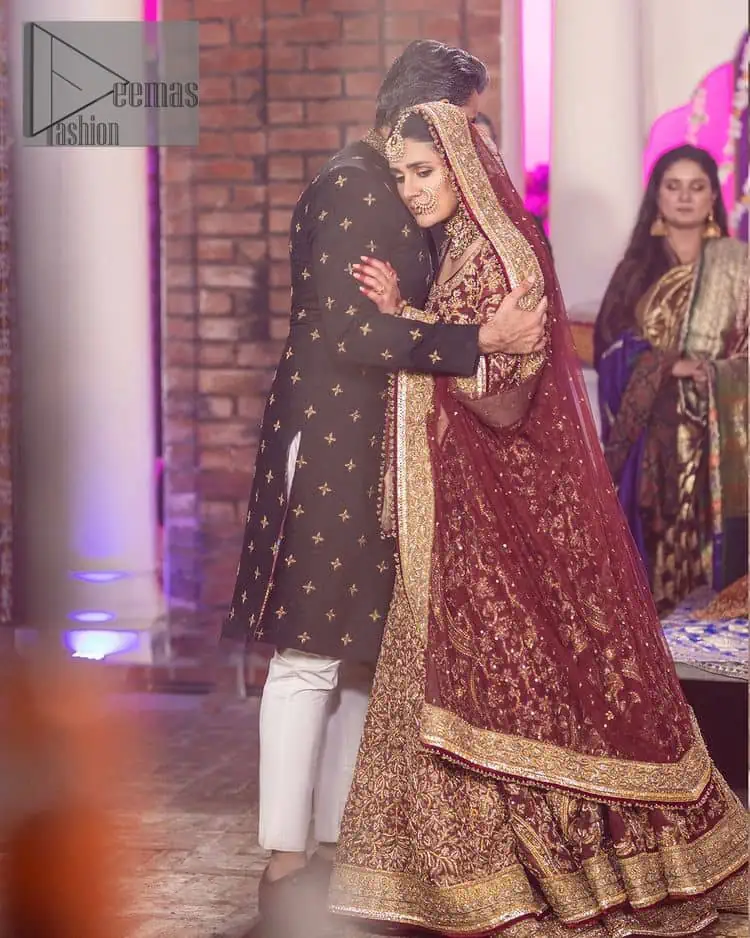
What is the difference between a Baraat outfit and a Reception outfit?
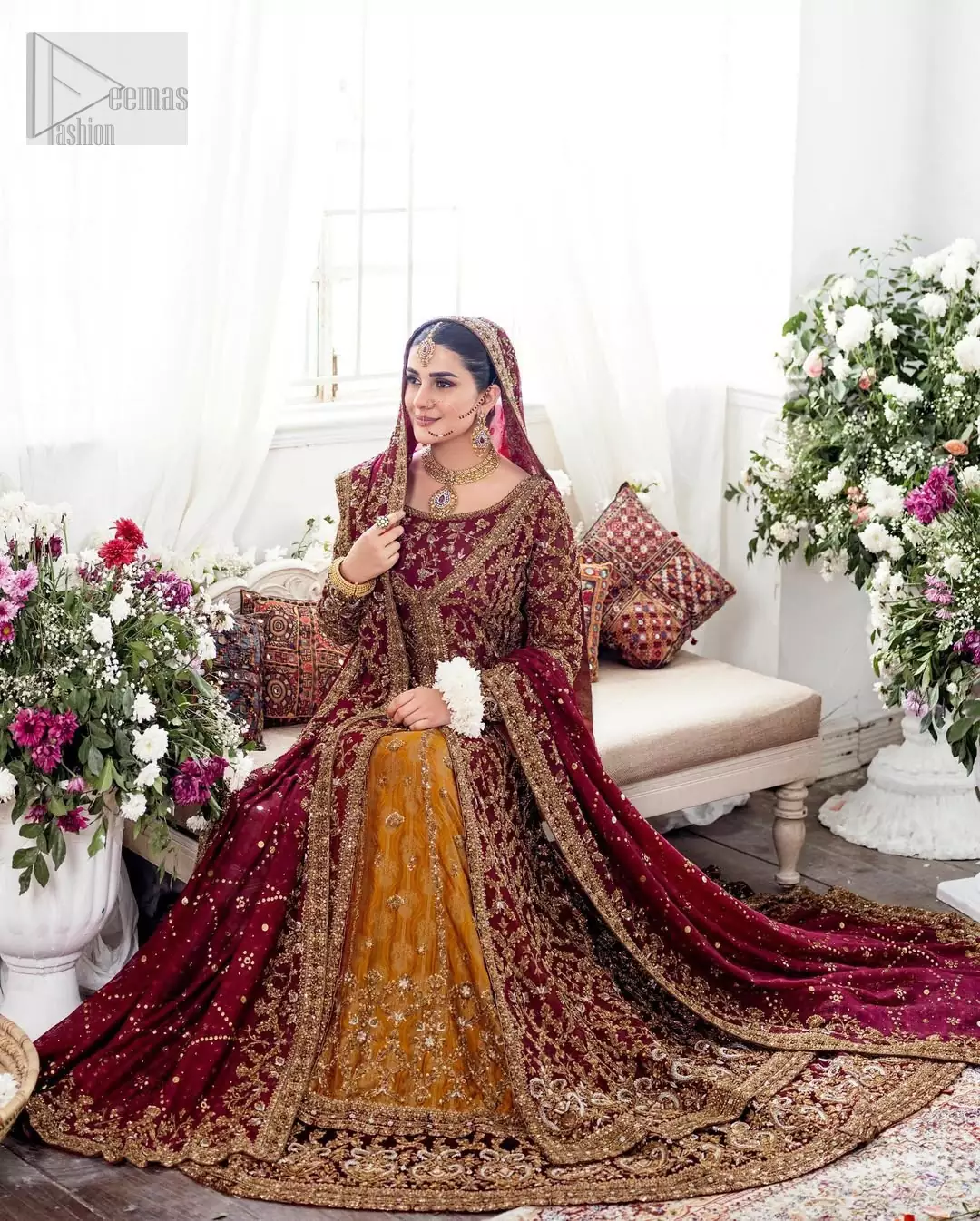
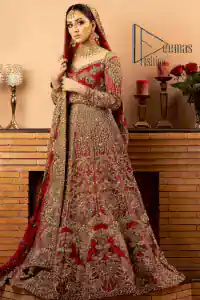
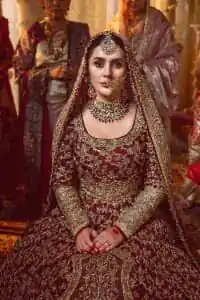
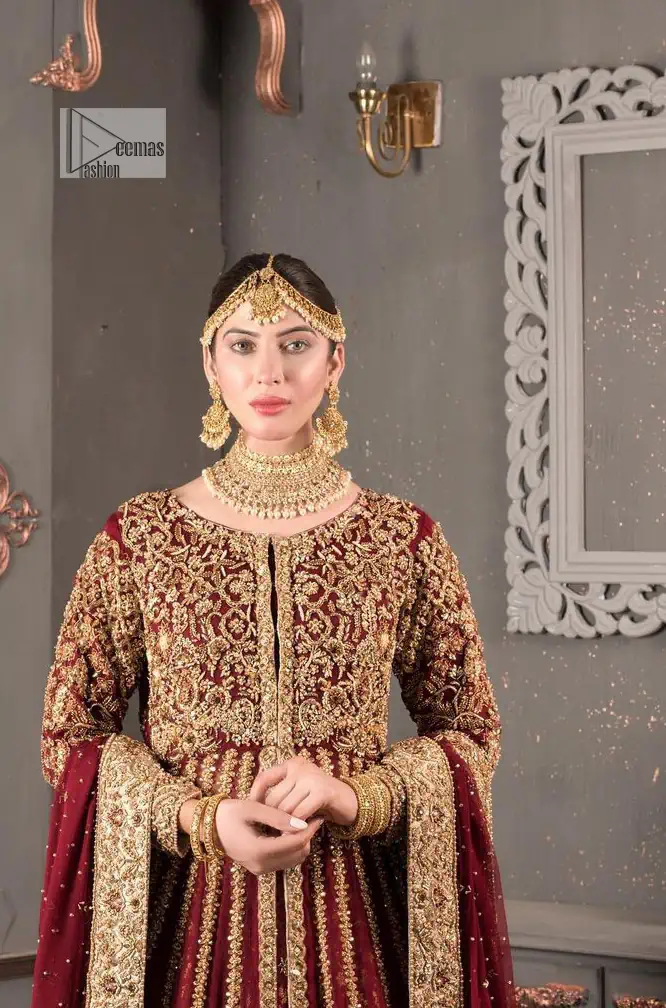
The difference is functional, not decorative. A Baraat outfit is designed for endurance and authority. It must hold its shape during movement, remain visually dominant in daylight, and tolerate extended wear. Embroidery is concentrated strategically. Weight is stabilised. Fabrics are chosen for resilience rather than softness.
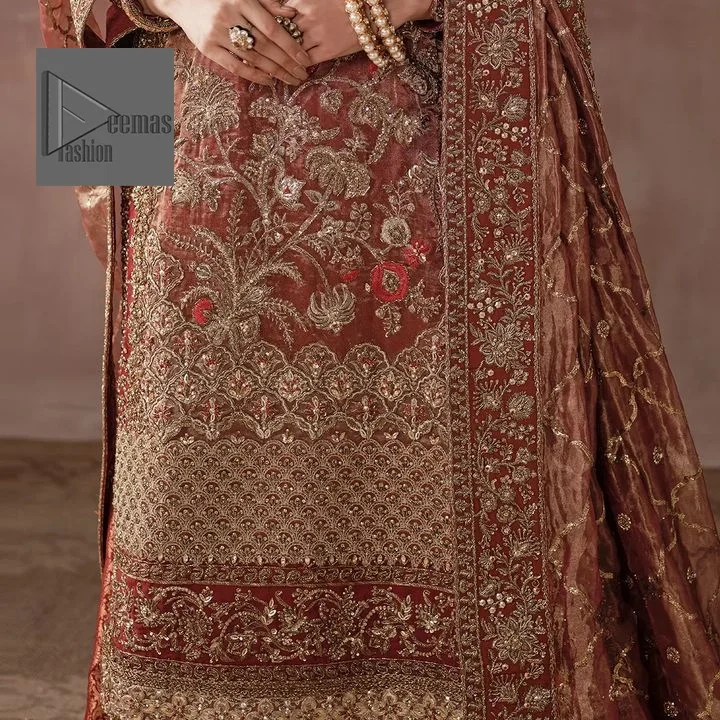
A Reception outfit serves a different purpose. It is designed for controlled movement under artificial lighting. Reflection, fluidity, and balance matter more than surface density. This is where lighter underskirts, engineered flares, and fabric sheen become critical. When brides wear two visually similar outfits, the second inevitably feels weaker. Not because it is less ornate, but because the sequence lacks contrast.
The Baraat commands space. The Reception commands attention.
How many outfit changes are typical for Canada weddings?
For Toronto and Liverpool weddings, two major outfits across the First Day and Reception are standard. Adding additional couture looks often increases fatigue without improving the overall impact. The key is not quantity but sequencing. The Baraat should feel grounded and ceremonial. The Reception should feel refined and intentional. When both are designed at the same intensity level, visual hierarchy collapses. This same sequencing logic is often applied when brides are planning earlier events such as Nikah. Many begin by reviewing guidance on
choosing your Custom Made Nikah Dress to avoid overlap across ceremonies.
How do you ensure two outfits feel cohesive but not repetitive?
Cohesion comes from repeating one controlled element only. This could be a craft technique, such as hand-cut zardozi. A colour undertone rather than a full shade. Or a proportional motif scale. Everything else must change. Repeating silhouettes, colours, and embroidery styles across events is the most common mistake brides make. Cohesion should be felt, not seen.
Which fabrics work best for long Reception hours?
In 2026 Canada bridal trends, heavy velvet has declined for receptions due to indoor heating and prolonged wear. Brides are favouring silk organza blends, lightweight jamawar, and reinforced net constructions. These fabrics respond better to indoor lighting and reduce fatigue. They shimmer without glare and move without resistance. The tactile experience matters. A Reception dress should feel cool against the skin, not oppressive.
If the fabric fights movement, it does not belong on the dance floor.
What silhouettes allow comfort without sacrificing presence?
Basque waist lehengas and segmented panel skirts are rising sharply in 2026. These silhouettes distribute weight across the hips instead of the waist, reducing pressure during long wear. Controlled circular flares outperform exaggerated volume. They sway, recover, and photograph cleanly without constant adjustment. Sleeve engineering has also evolved. Detachable sheer sleeves allow coverage during formal moments and freedom during dancing.
How are quick outfit changes managed realistically?
Modern couture now incorporates rapid-change construction as standard. Magnetic closures. Pre-set dupatta drapes. Zip-away over skirts. Hair planning is integrated into neckline design. High collars pair with structured buns for the Baraat. Open necklines create space for softer Reception styling without requiring a full reset. The objective is a transition measured in minutes, not hours.
Are there rules around colour selection?
There are expectations, not rules. Repeating identical colours across events weakens visual storytelling. However, remaining within a tonal family often works well. Maroon to wine. Red to antique gold. Ivory with warm undertones following a deep Baraat palette. Family pressure is common. Especially around red. The solution is tonal variation rather than confrontation.
How should jewellery and accessories differ?
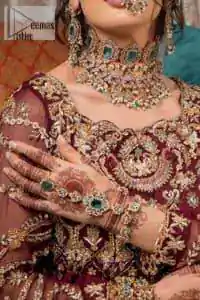
Baraat jewellery anchors the look. Broader surfaces. Heavier sets. Pieces that read clearly in daylight. Reception jewellery edits the story. Fewer elements. Higher brilliance. Earrings and necklines that respond to motion and lighting. Dupattas follow the same logic. Structured drapes for procession. Fluid placements for Reception entrances.
Can one outfit serve both events?
Only if designed for transformation from the start. Convertible designs now allow overskirts to be removed, necklines adjusted, and dupattas resized. What does not work is attempting to restyle a fully built Baraat lehenga for the Reception.
This approach is frequently chosen by brides balancing budget or production timelines. Similar modular logic appears in our collection of
Bridal Nikah Dresses, where elements are reused across events without visual repetition.
Addressing common bridal anxieties
| Anxiety |
Design Resolution |
| Second outfit lacks impact |
Reception designs prioritise light interaction and movement |
| Physical fatigue |
Weight distributed through structured waist engineering |
| Blending into guest attire |
Controlled colour dominance and motif scale contrast |
| Outfit malfunction |
Reinforced closures and anti-slip internal construction |
| Budget strain |
Transformable designs reduce duplication |
Why Toronto and Liverpool require tailored design thinking
Toronto weddings often involve extended schedules and multiple locations. Baraat dresses here must tolerate time and movement without distortion. Liverpool receptions frequently rely on dramatic indoor lighting. Here, reflection, silhouette clarity, and fabric behaviour outperform surface-heavy embroidery. Ignoring city context is how couture fails in real life.
The consultant close
Reception and Baraat dresses are not impulse purchases. They are production commitments. Each design secures time from artisans, pattern cutters, and embroiderers whose schedules are limited. This is why planning the full wedding sequence early matters. Brides coordinating multiple events often begin by reviewing
Nikah wear for Plus Size Bride to ensure proportion, comfort, and symbolism remain consistent across ceremonies.
The strongest wedding wardrobes are designed as systems, not outfits.